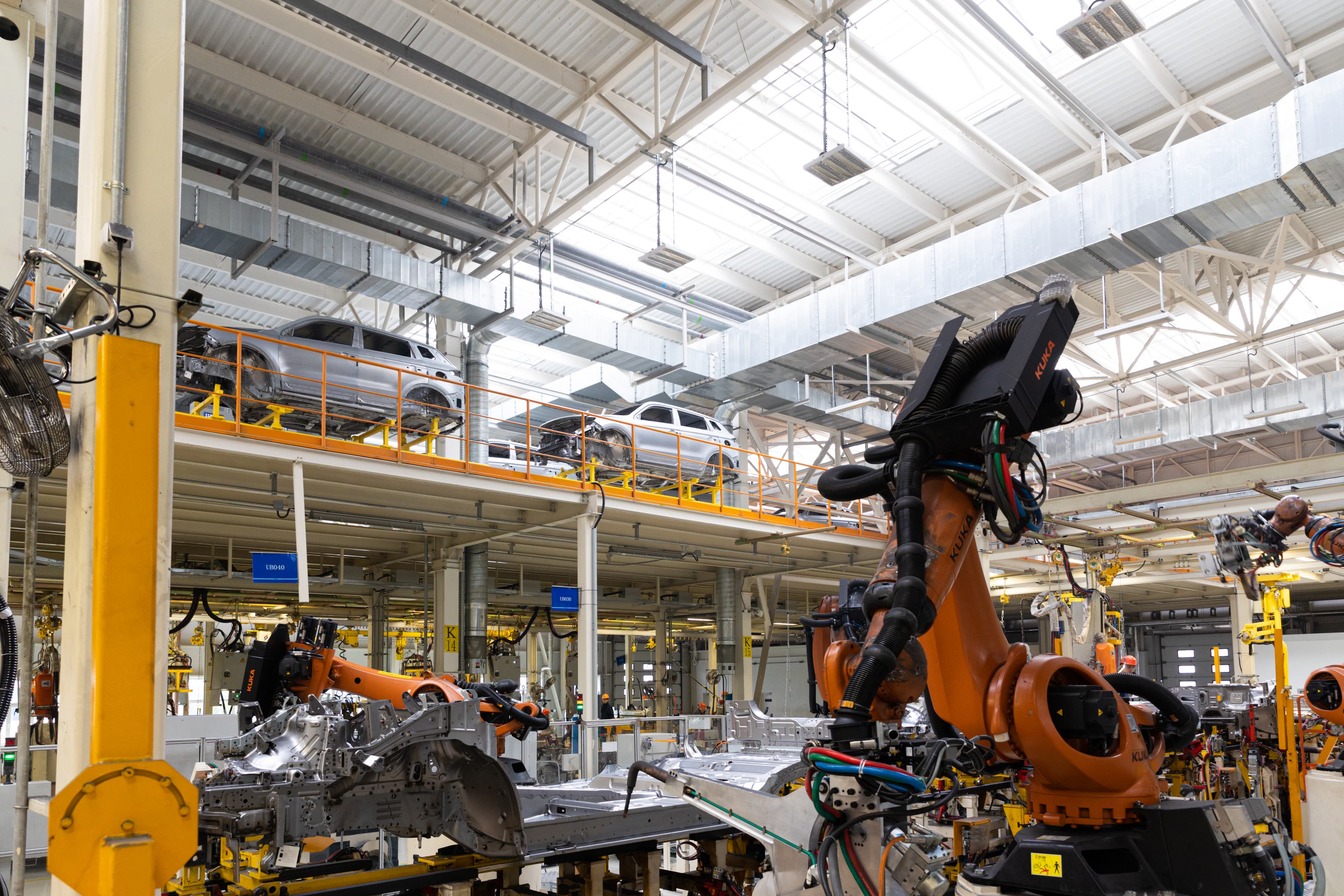
Automating a complete line takes more than choosing equipment. Mechanics, electrical systems, control and layout must be integrated so the production flow is continuous, safe and ready for shifts in demand.
Start with the flow, not the equipment
Successful projects begin by understanding the operation: throughput, buffers, inspection points, internal logistics and plant constraints. Only then is the architecture of machines, conveyors and control systems defined.
This perspective avoids oversizing, hidden bottlenecks and poorly resolved interfaces between stages.
Critical success factors
On large lines, coordination between disciplines is what separates a stable project from a troubled start-up. Engineering, assembly and commissioning need to share the same scope and acceptance criteria.
- layout aligned with the target capacity
- clear specification of interfaces
- properly sized electromechanical infrastructure
- operational safety and ergonomics
- commissioning and training plan
From engineering to operation
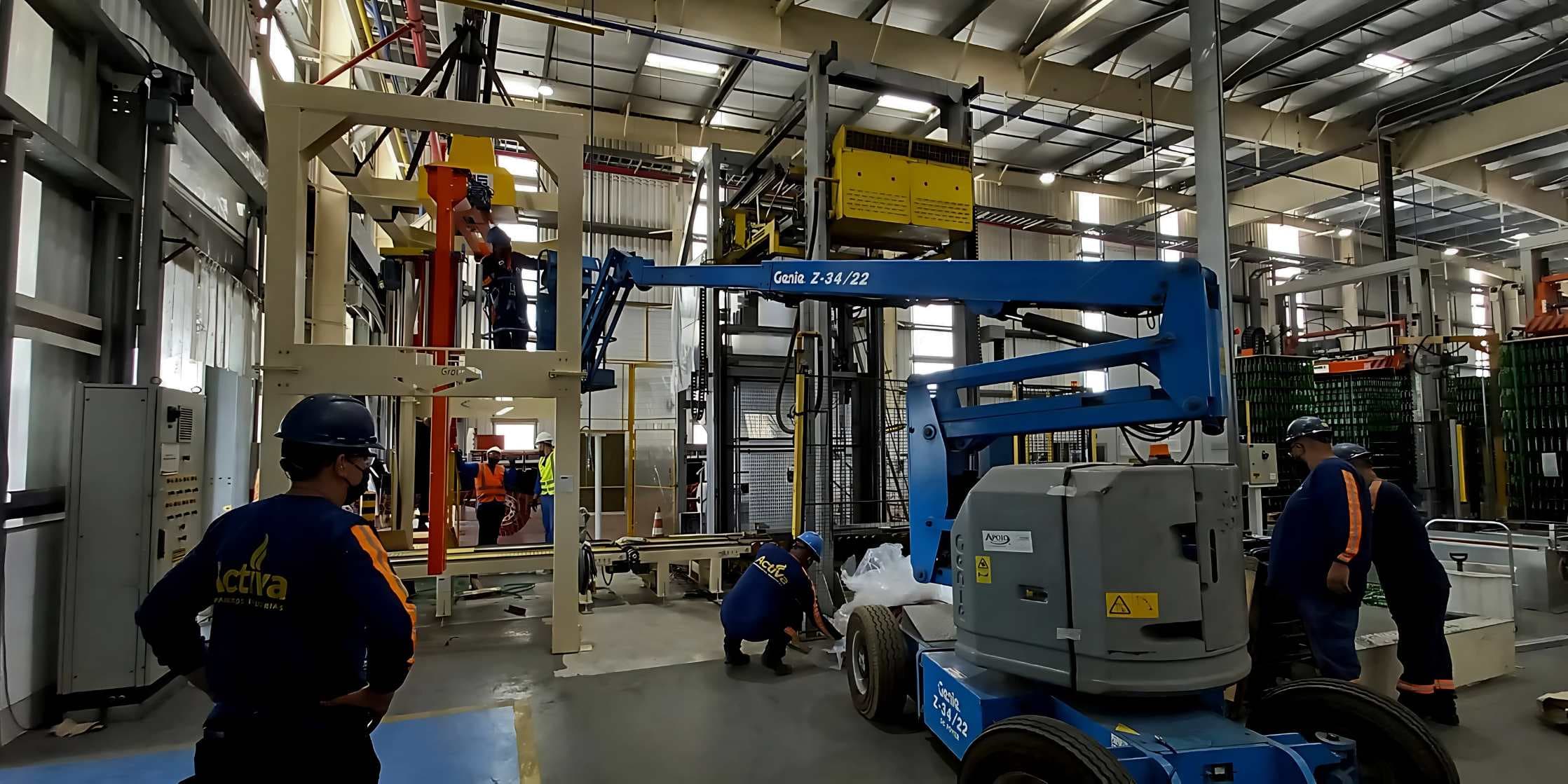
Activa runs production line and special machine projects with oversight from design through installation. This reduces handoffs and maintains technical traceability from the start to ramp-up.
The expected outcome is not simply automation: it is delivering a line that produces as planned, with local support for adjustments and future evolution.
Conclusion
Full line automation is an integrated engineering project. When flow, equipment and control are designed together, the plant gains productivity with predictability and less risk when entering operation.