Industrial integration is no longer a differentiator — it has become a requirement for staying competitive. Connecting machines, panels, sensors and management systems reduces losses, exposes bottlenecks in real time and allows decisions to be made on reliable operational data.
What industrial integration is
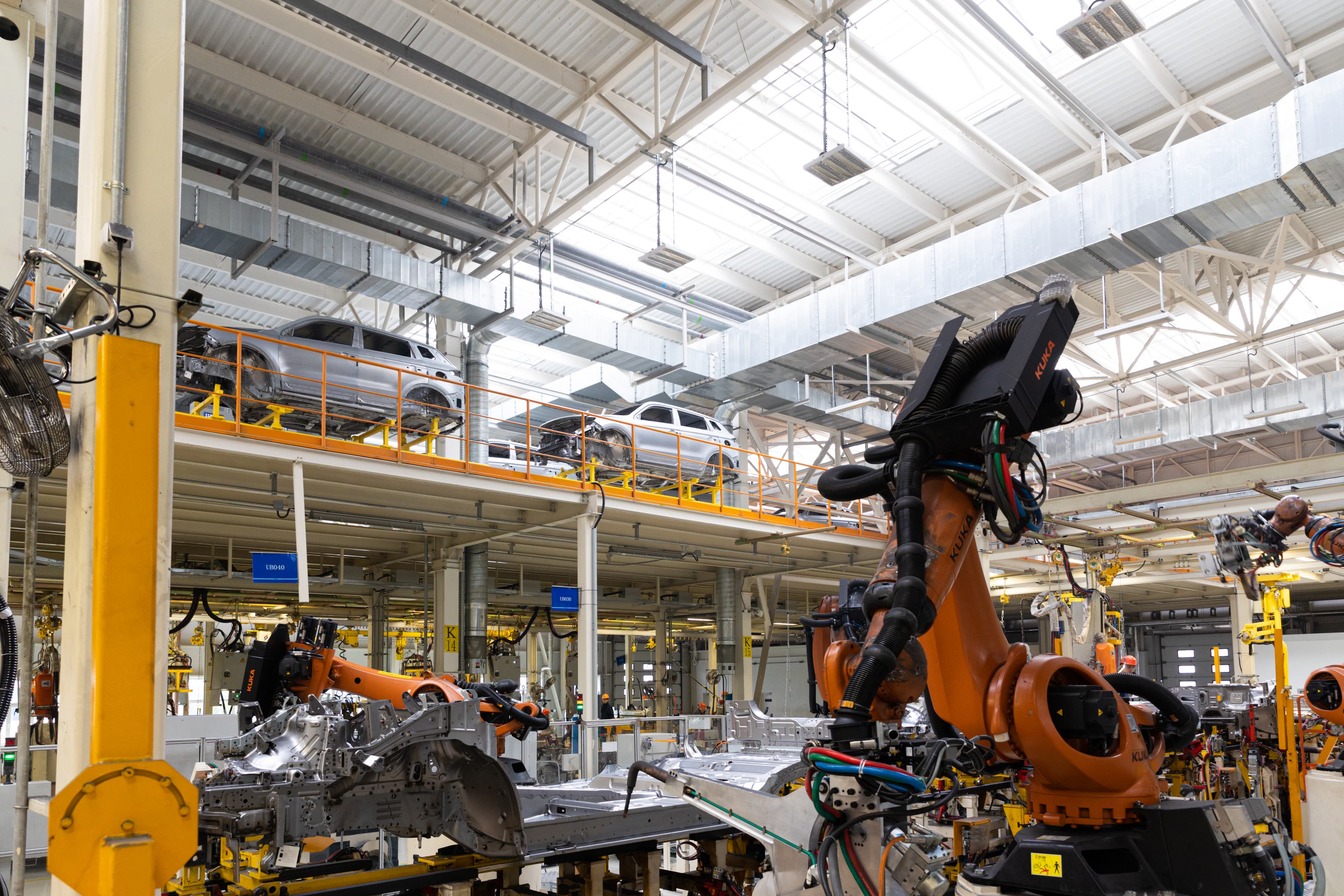
Industrial integration is the ability to make equipment, lines and software work as a single ecosystem. Instead of isolated islands of automation, the plant exchanges information in a structured way across the shop floor, supervisory layer and management.
In practice, this involves communication protocols, properly sized electrical panels, reliable instrumentation and an architecture designed to evolve technologically without interrupting production.
Key benefits for the operation
When systems talk to each other, the operation gains predictability. Downtime stops being a surprise, indicators become accessible and the technical team can act faster.
- fewer unplanned stoppages
- greater process traceability
- decisions based on real-time data
- better synchronization between line stages
- a technical foundation for expansion and Industry 4.0
How to structure an integration project
A successful project starts with a diagnosis: mapping existing equipment, bottlenecks, available interfaces and performance targets. The architecture, automation scope and phased rollout plan are defined next.
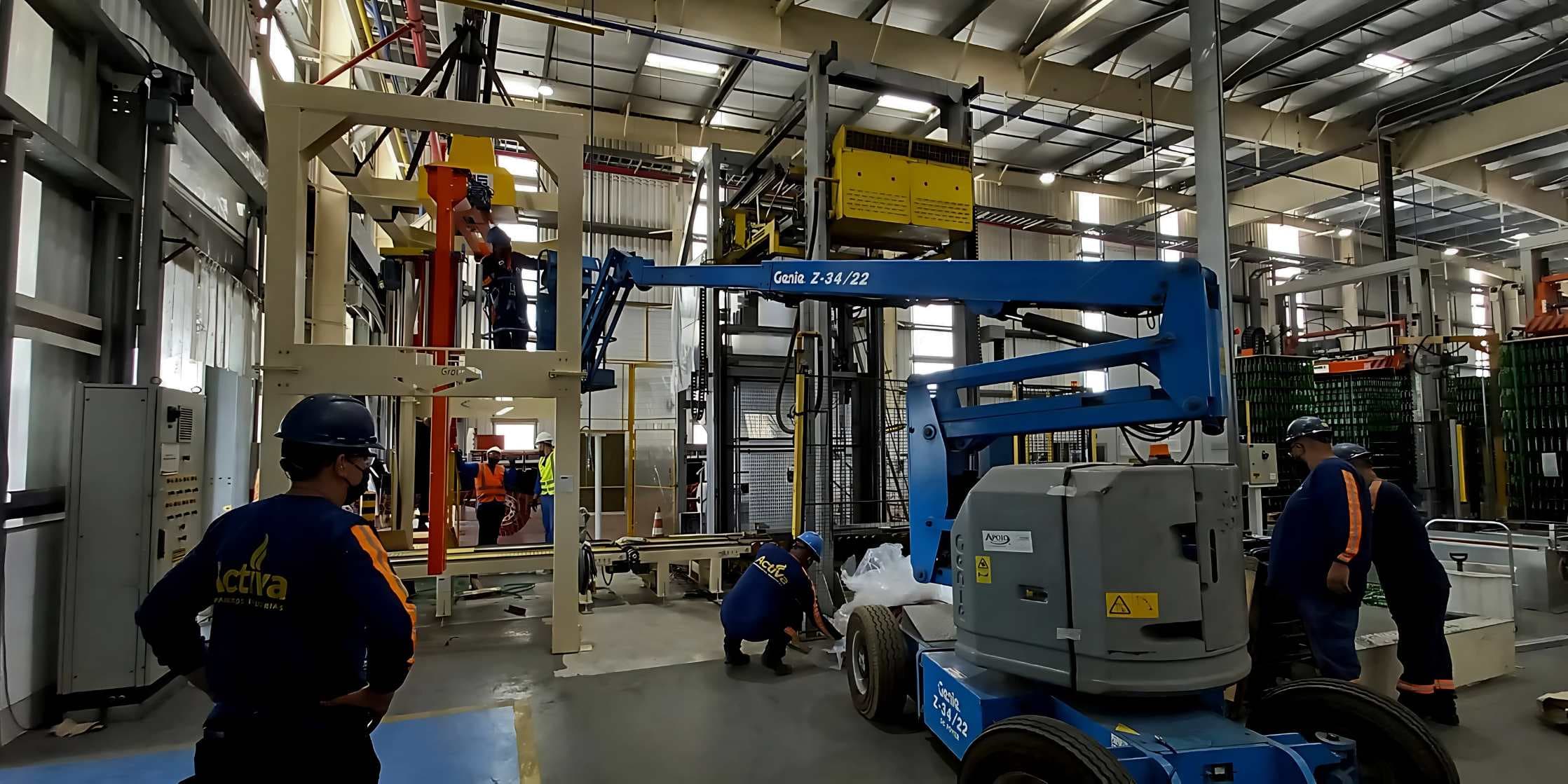
Activa supports this journey with mechanical, electrical and automation engineering from a single partner, which reduces friction between design, assembly and start-up.
- technical assessment of the plant
- definition of architecture and interfaces
- upgrading panels and infrastructure
- integration of sensors and controllers
- commissioning and team training
Conclusion
Integrating industrial systems is an investment in operational efficiency and the longevity of the plant. With technical planning and coordinated execution, the facility gains stability today and the flexibility to grow tomorrow.