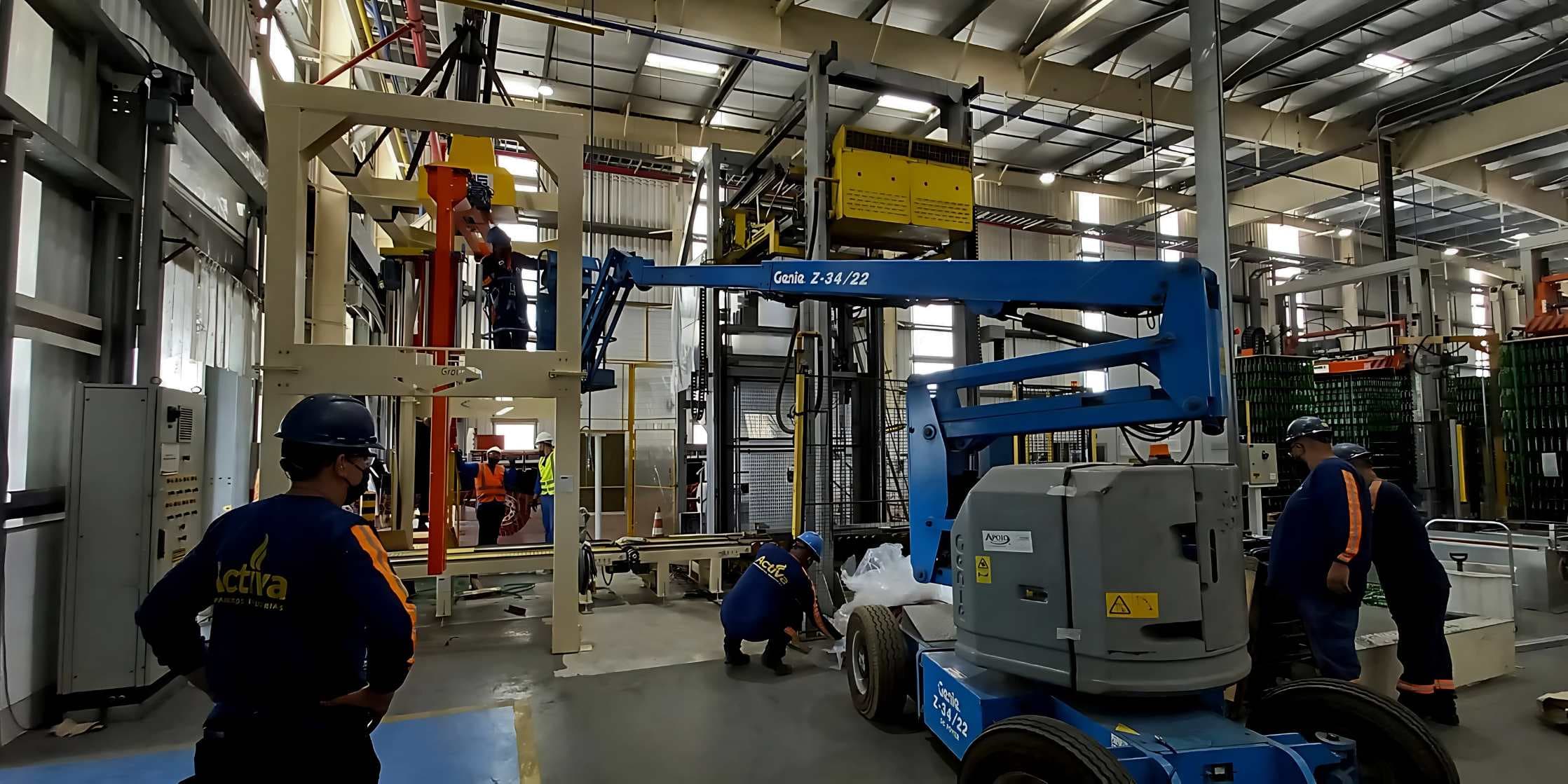

Predictive maintenance changes the traditional logic of waiting for a failure or replacing components on a calendar. With condition monitoring and trend analysis, the team acts at the right moment — before a breakdown impacts production.
Why predictive maintenance matters
Unplanned downtime is expensive: idle lines, wasted material, overtime and operational risk. The predictive approach reduces these events by identifying abnormal patterns in vibration, temperature, current and other signals.
Beyond cutting emergency costs, predictive maintenance extends asset life and improves the planning of parts and labor.
Pillars of an effective strategy
Installing sensors is not enough. It takes the right instrumentation, a technical reading of the data and the discipline to intervene. The value appears when monitoring becomes part of the plant's maintenance routine.
- definition of critical assets
- instrumentation and data acquisition
- thresholds and alarms aligned with the operation
- periodic trend analysis
- action plan and intervention history
The role of engineering and industrial maintenance
Activa works across mechanical maintenance, electrical maintenance and instrumentation with an engineering mindset: diagnosing root causes, adapting systems and supporting the evolution of plant reliability.
When predictive maintenance runs alongside upgrade and modernization projects, results come faster and with less risk of recurrence.
Conclusion
Predictive maintenance is a strategic decision for industries that depend on constant availability. With sensors, analysis and a prepared team, the plant operates with more predictability and a lower total cost of ownership.